When you stand in the center of a living room, sunlight streaming through the windows and floorboards creaking with the promise of history, it is easy to become blinded by the architecture. We often fall for the crown molding or the chef’s kitchen while ignoring the quiet pulse of the street outside. However, a house is merely a shell. The true value of a property is found in the way it anchors you to a community. Before you sign any documents, you must ask yourself not just where you will sleep, but how you will live.
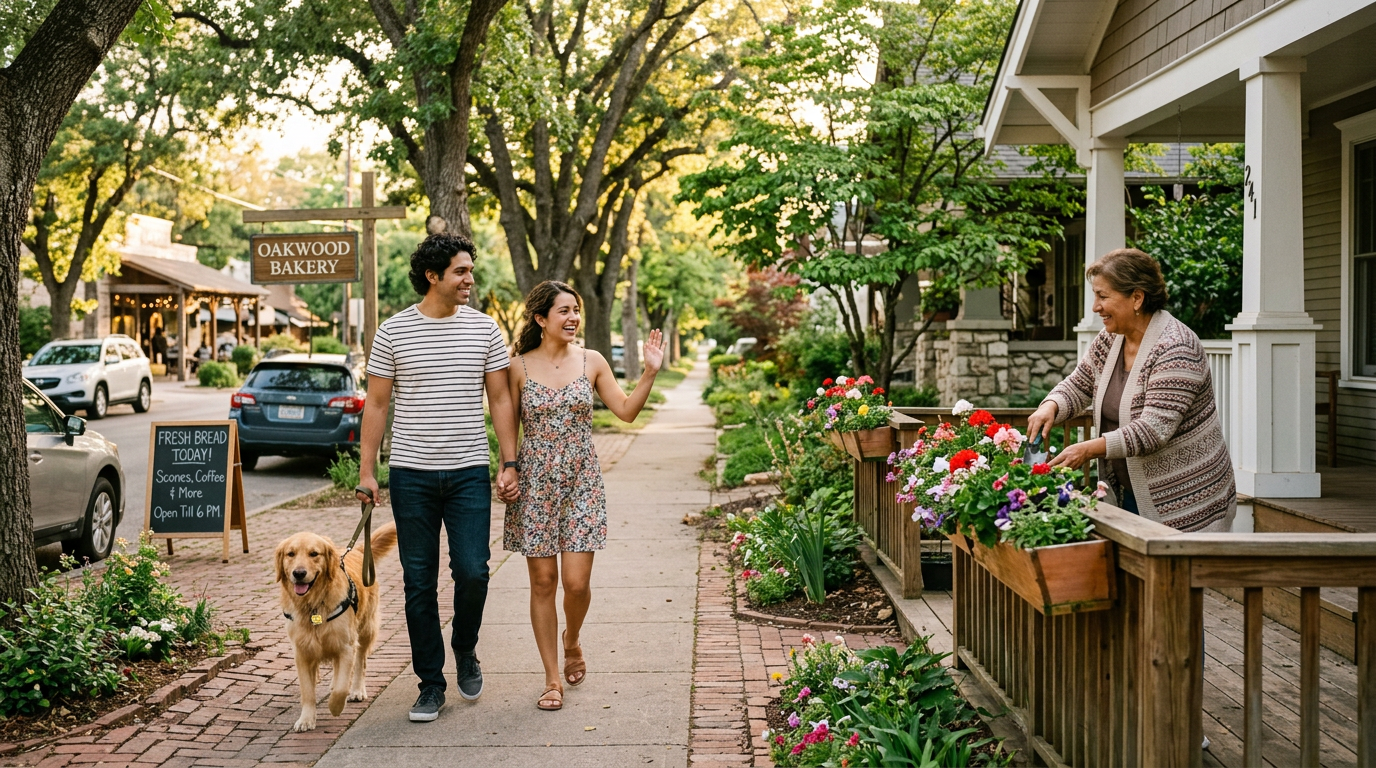
The most successful homeowners view their search through a wider lens. They consider the morning ritual. Is there a local coffee shop where the barista knows your name, or at least your order? A neighborhood that fosters human connection is worth more than a finished basement. When you walk out your front door on a Saturday, is the sidewalk a thoroughfare of neighbors walking dogs, heading to the farmer market, or pushing strollers toward the park? These small interactions build a sense of belonging that no amount of interior renovation can replicate. Walkability is the heartbeat of a thriving lifestyle. When you can reach a library, a grocery store, or a green space on foot, the texture of your life changes. You become a participant in your surroundings rather than a spectator behind a windshield.
Consider the rhythm of the local school system, even if you do not currently have children. The quality of a neighborhood often reflects the dedication of its residents to the next generation. A vibrant, well-supported school district usually correlates with a community that prioritizes safety, well-maintained public infrastructure, and a collective investment in the future. These areas tend to retain their charm and value because the people living there are deeply committed to the health of the collective environment.
Look for the signs of civic care. Are the street trees trimmed and healthy? Do neighbors take pride in their stoops and gardens? A well-tended neighborhood suggests a population that cares about its shared spaces. When you look at a potential property, take a walk during different times of the day. Visit on a Tuesday morning to see the commuter pulse and again on a Sunday afternoon to feel the leisure pace. Does the neighborhood feel like a place where you can age, change, and evolve? The best investments are in locations that offer room for your life to expand. Perhaps there is a community garden nearby that you might eventually join, or a community center that offers evening classes. These are the nodes of social capital that transform a house into a sanctuary of human connection.
Many buyers make the mistake of prioritizing the property over the location, thinking they can fix the house but not the street. While it is true that you can change the paint and the appliances, you cannot change the soul of a neighborhood. If you feel like an outsider on the sidewalk, you will likely feel like an outsider in your home. Seek out the character of the street. Listen to the sounds of the neighborhood. Does it hum with the energy you crave, or does it feel sterile and disconnected? Your home should be an extension of the neighborhood identity.
Remember that a home is a long-term commitment to a specific geography. You are not just purchasing a structure; you are entering into a social contract with your neighbors. When you choose a place that aligns with your values, you gain more than just equity. You gain a support system, a sense of place, and a daily existence that feels intentional. Take your time to walk the blocks, visit the local shops, and observe the way people interact with one another. When the rhythm of the street matches the rhythm of your heart, you have found more than a house. You have found a home.