When we talk about real estate, we often default to the cold arithmetic of the market. We speak of price per square foot, the state of the roof, or the recent upgrades to the kitchen island. Yet, anyone who has ever truly lived in a home knows that the four walls are merely the frame for a much larger picture. The real investment is in the walk to the corner store, the specific quality of light that hits the sidewalk at five in the evening, and the unspoken social contract that exists between neighbors who know each other by name.
Consider the allure of the neighborhood that prioritizes human scale over pure convenience. There is a profound difference between a place that is merely functional and a place that is alive. A truly vibrant community is built on the foundation of walkability and shared public spaces. When you can reach your morning coffee without starting your car, you are not just saving on fuel or time. You are participating in the daily pulse of your surroundings. You are seeing the barista who remembers your order, the local school children heading toward their classrooms, and the neighbors who are tending to their gardens. These micro-interactions act as the connective tissue that turns a house into a sanctuary of belonging.
Schools often serve as the heartbeat of a neighborhood, acting as a gathering point for families even after the final bell has rung. A school with a strong reputation for community involvement often ripples outward, influencing the care taken in local parks, the cleanliness of the streets, and the frequency of neighborhood events. When you choose a home, you are choosing to be part of the demographic that supports these institutions. You are signing up for the Saturday morning soccer games and the quiet hum of activity that defines the weekend rhythm. Great neighborhoods are defined by their ability to bring people together in ways that feel organic rather than forced.
Take, for instance, the ritual of the local farmer market. It is more than a place to purchase seasonal produce. It is a town square in miniature. It is where you learn about the changing seasons not through a calendar, but through the shifting colors of the baskets. It is where the elderly couple from down the street exchanges stories with the young family moving in around the corner. When you live in a neighborhood that hosts such markets, you are choosing a lifestyle that values patience, local economy, and the tactile pleasure of human connection. The neighborhood that values its local merchants is a neighborhood that understands the value of consistency and care.
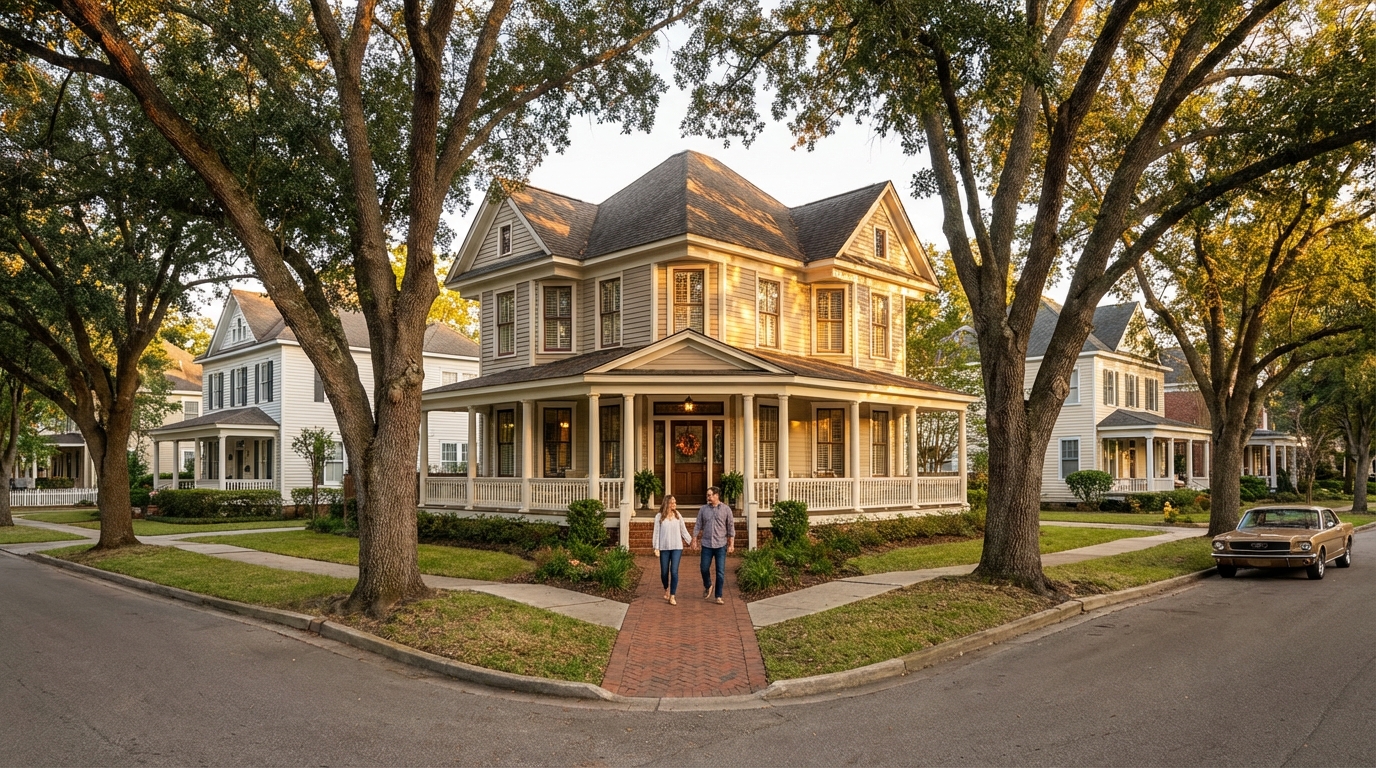
The architecture of a street matters, too, not just for the aesthetic appeal of the facades, but for how it dictates social behavior. Wide sidewalks encourage strollers and walkers, while streets lined with mature trees provide a canopy that invites people to linger. When you look at a property, look beyond the interior layout. Look at the porch. Is it a place where you might sit and wave to a passerby? Look at the front yard. Does it invite conversation or does it suggest a desire for total seclusion? The best homes are those that strike a balance between personal privacy and community engagement.
Ultimately, the search for a home is a search for a setting where you can grow. It is about finding a place where the local library, the independent bookstore, and the quiet park bench feel like extensions of your own living room. Do not settle for a property that isolates you from the world. Instead, seek out the corner lot or the tree-lined street that offers a sense of place. Look for the neighborhood that makes you want to leave your front door open just a crack. When you find that specific intersection of comfort and community, you have found more than just a real estate acquisition. You have found a life, rooted in the steady, beautiful reality of a place that feels like home.