There is a specific, quiet alchemy involved in choosing a home that sits exactly three blocks away from the noise. For decades, the real estate industry focused on the prestige of the primary address: the grand avenues, the historic squares, and the streets whose names are synonymous with the city itself. However, a more nuanced trend is taking hold among buyers who prioritize the texture of their daily lives over the stature of their zip codes. We are seeing a profound migration toward the connector streets. These are the residential arteries that link the bustling commercial centers to the quieter outskirts, offering a sanctuary that remains tethered to the heartbeat of the neighborhood.
To understand the value of these buffer zones, one must look at the way a neighborhood breathes. When you live directly on a commercial corridor, you are a spectator to the city’s constant performance. The sounds of delivery trucks at dawn and the neon glow of a late-night pharmacy are part of the tax you pay for convenience. But move just a few hundred yards into the side streets, and the atmosphere shifts. The air feels cooler under the canopy of mature oaks, and the soundscape changes from the hum of traffic to the rhythmic clicking of a neighbor’s garden shears or the distant laughter from a backyard dinner party. This is where the most resilient market value is currently being found.
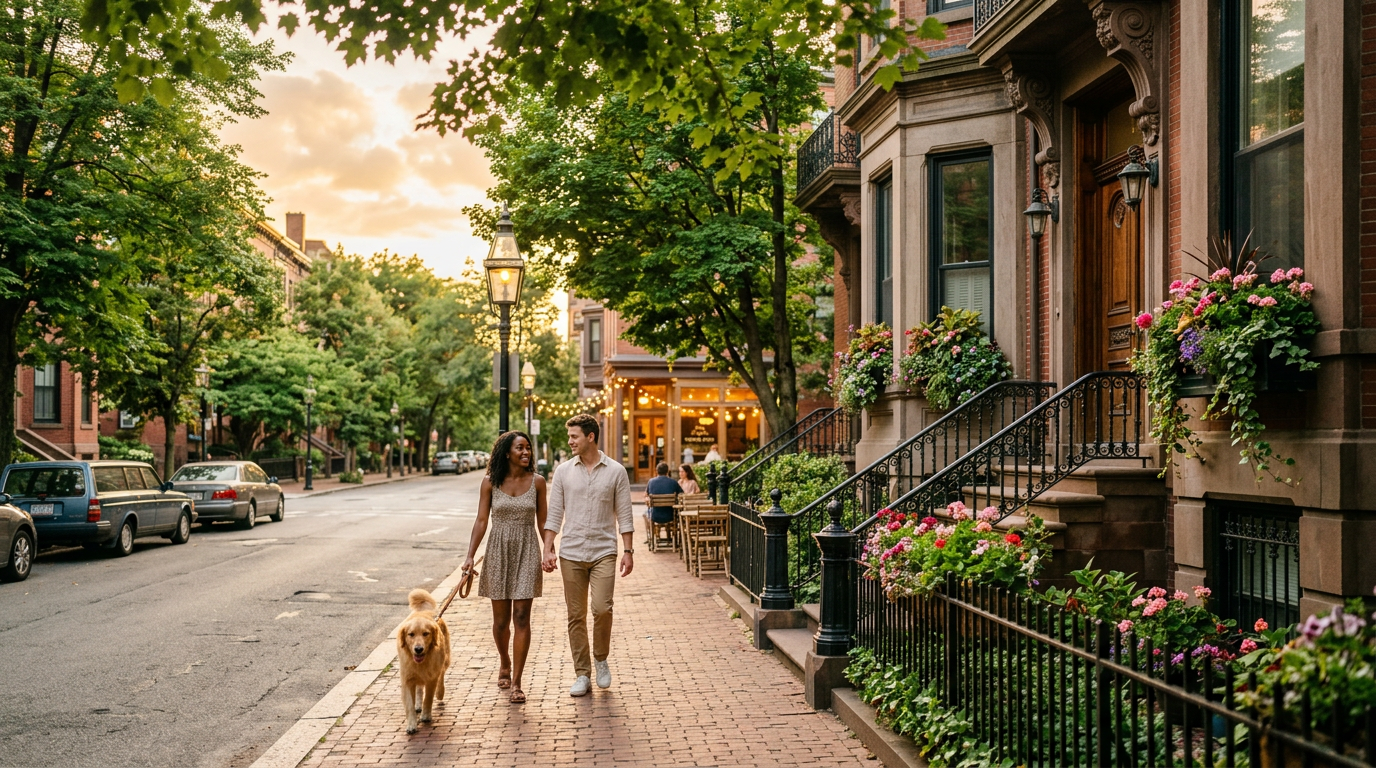
The appeal of these connector blocks lies in their walkability context. A high walkability score is often misinterpreted as a need to be on top of the shops. In reality, the most desirable lifestyle is defined by the five-minute stroll. It is the ritual of walking past familiar flower boxes and greeting the same neighborhood dogs on the way to the local coffee shop. This short distance creates a psychological boundary between the public world and the private realm. It allows a homeowner to participate in the urban energy on their own terms. When the Sunday farmer market gathers in the park, you can hear the faint notes of the acoustic musician from your porch, but you do not have to contend with the crowds at your front door.
From a market perspective, these mid-block properties are proving to be remarkably stable assets. While the marquee streets often see prices fluctuate based on the popularity of a single new development or a high-profile restaurant opening, the connector streets are anchored by a sense of permanent community. School quality is frequently a silent driver here as well. These residential pockets often fall within the catchment areas of the most cherished local elementary schools, creating a demographic of long-term residents who are invested in the upkeep of their sidewalks and the safety of their corners. This creates a social fabric that is difficult to manufacture in more transient, high-density areas.
For those currently scouting the market, the advice is to look for the third place proximity. A third place is a location that is neither work nor home, such as a beloved corner bistro, a small independent bookstore, or a community garden. The ideal property is one that treats these amenities as an extension of its own floor plan. If you can walk to your favorite morning espresso spot without crossing more than two major intersections, you have found the sweet spot of urban planning. You are buying more than a kitchen and a bedroom: you are buying a morning routine that lowers your cortisol levels.
We encourage buyers to perform what we call the twilight test. Visit a potential street at eight o'clock on a Tuesday evening. Observe the lighting. Is it the harsh glare of municipal streetlamps, or is it the warm, soft glow of interior lamps through historic windows? Listen to the noise levels. Are you hearing the city, or are you hearing the neighborhood? The streets that pass this test are the ones that will hold their value through any economic season. They represent a timeless desire for peace, belonging, and a manageable pace of life. In an increasingly loud world, the ultimate luxury is not a famous address, but the ability to step out of your front door and feel, instantly, at home.